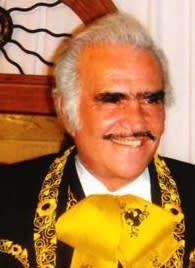
Vicente Fernández
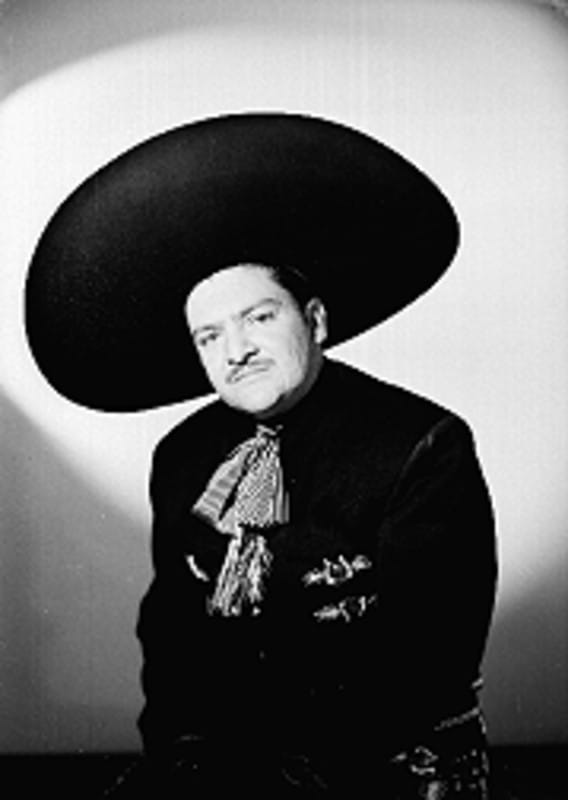
Singer from Jalisco (1940-2021) known as «El Charro de Huentitán». With hits like «Volver, volver» and «Por tu maldito amor», he brought mariachi ranchera to stadiums across the Americas for more than five decades.
Step 1 of 2
The hosted destination on your domain: the ranking page ready to share, with your own votes.
A QR code that takes your audience to the ranking destination: made for TV, signage and screens.
The ranking embedded in an article on your site or app: your readers vote without leaving the page.
The hosted destination on your domain: the ranking page ready to share, with your own votes.
Allow voting
Your audience can vote for the participants in this ranking. It is independent of showing the vote count.
Show vote count
Each participant shows how many votes they have received, even if voting is turned off.
Show position
Each participant shows their position in the ranking. It does not change the list order.
Vote for the most representative and influential singer in the history of Regional Mexican music
Singer from Jalisco (1940-2021) known as «El Charro de Huentitán». With hits like «Volver, volver» and «Por tu maldito amor», he brought mariachi ranchera to stadiums across the Americas for more than five decades.
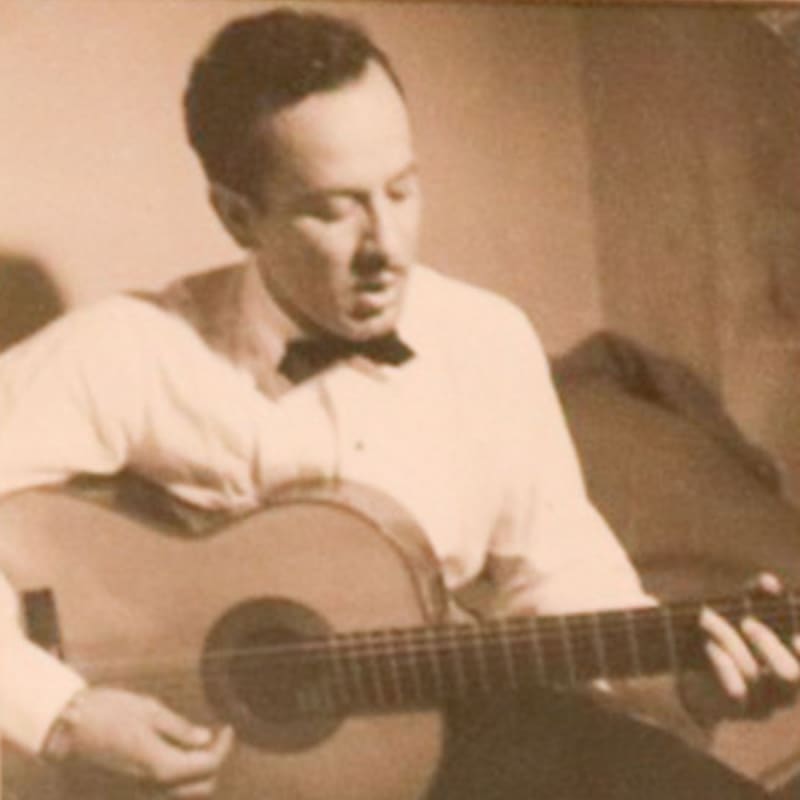
File:Pedro Infante - Exposición "¿Qué me ves?" (2).jpg - Wikimedia CommonsWikimedia CommonsCC-BY-2.0
Singer and actor from Sinaloa (1917-1957), known as «El Ídolo de Guamúchil» and a major star of the golden age of Mexican cinema. Songs like «Amorcito corazón» and «Cien años» remain ranchera classics.

Javier Solís, monumento en PLAZA GARIBALDITania Victoria / Secretaría de Cultura Ciudad de MéxicoWikimedia CommonsCC-BY-2.0
Singer and actor born in Mexico City (1931-1966), known as «El Rey del Bolero Ranchero» for blending bolero with mariachi. His versions of «Sombras» and «Payaso» are landmarks of the genre.
Classically trained singer and actor from Guanajuato (1911-1953), known as «El Charro Cantor». With songs like «México lindo y querido» and «Ay, Jalisco, no te rajes», he made the charro a worldwide symbol of Mexico.
Songwriter and singer from Dolores Hidalgo, Guanajuato (1926-1973), author of hundreds of ranchera songs. «El Rey», «Si nos dejan» and «Camino de Guanajuato» are part of Mexican music's essential repertoire.
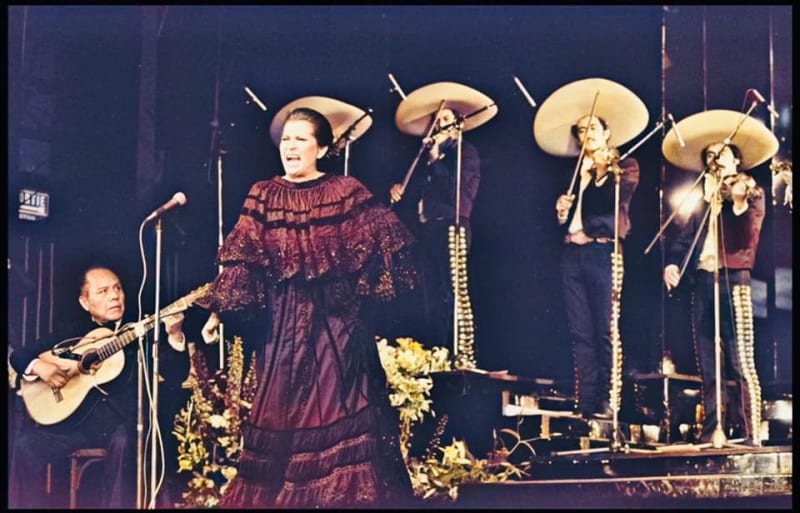
Singer and actress from Sinaloa (1932-1996), known as «Lola la Grande». Her voice is tied to «Cucurrucucú paloma» and «Paloma negra», and she is one of ranchera's greatest performers.
Singer-songwriter born in Michoacán (1950-2016) and known as «El Divo de Juárez». Author of «Querida», «Amor eterno» and «Hasta que te conocí», he wrote for dozens of artists and brought mariachi to venues such as the Palacio de Bellas Artes.
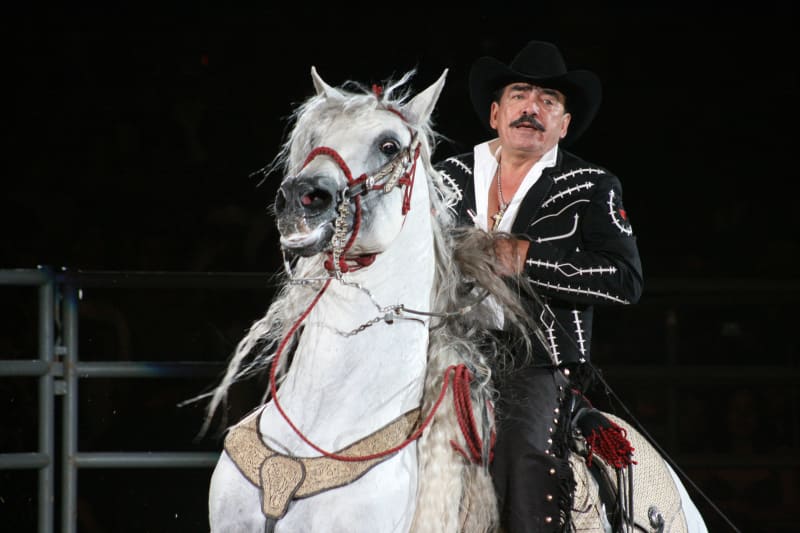
Singer-songwriter from Guerrero (1951-2015) known as «El Rey del Jaripeo» and «El Poeta del Pueblo». Author of «Secreto de amor» and «Tatuajes», he blended ranchera ballads, banda and equestrian shows.
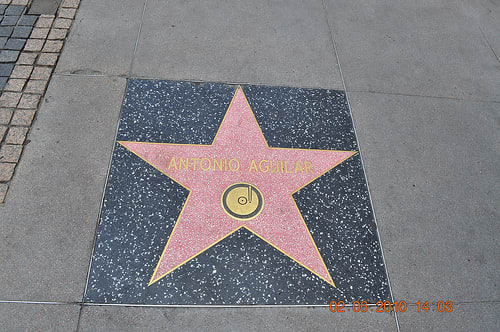
Singer, actor and producer from Zacatecas (1919-2007), known as «El Charro de México». He popularized corridos such as «Gabino Barrera» and brought equestrian shows with ranchera music to major venues.
Mexican-American singer (1969-2012) known as «La Diva de la Banda». With songs like «La gran señora» and «Basta ya», she became one of the most successful women in banda music and paved the way for new generations of artists.